High Security
Security for high-security
& defence sites
CCTV, access control, intruder detection and perimeter security, designed around NPSA guidance and the standards it publishes, and installed by security-cleared engineers. Built for sites where a breach is a matter of national security, not lost stock.
One damaged asset can cost you a programme
Nothing has to leave your site for the damage to be done. A hostile state or a lone saboteur gets what they want by damaging the right thing or delaying the right work, and they could have spent weeks or months planning it first. Intruder detection and CCTV alone will not stop that. Delaying the intrusion progress matters as much as detecting the entry.
Organised groups getting through the fence
Defence sites and their suppliers have been entered and damaged by organised direct-action groups, most often at night or in the early hours. The bill runs into millions. The Old Bailey heard that the two engines damaged in the June 2025 break-in at RAF Brize Norton had to be replaced at £2.5m each. Production stops and delivery dates slip.
The adversary will go after your people
Vetting tells you about someone as they were on the day it is done, which is why clearances stay under review. A capable adversary approaches, pressures or deceives someone who already holds a pass. Many insider incidents involve no ill will at all, someone props a door for a delivery, or describes a patrol pattern to a caller who sounded plausible.
Your security systems could be the way in
Every camera, controller and reader is a networked device on your estate, and a fair number of them are running firmware nobody has looked at since handover. Compromise one and an attacker can unlock a door, blind a camera or move sideways into the corporate network without climbing anything. Equipment that has never been properly assured is an open door that looks shut.
How ATEC protects the high-security sector
Layers that buy you time
Against sabotage the delay your layers impose has to outlast the time your response actually takes to arrive. We build to NPSA’s deter, detect and delay model, supported by mitigate and respond, which treats the boundary, the building and the critical asset as separate obstacles. Anyone who gets through the fence meets another layer, and then another, while your response is already moving.
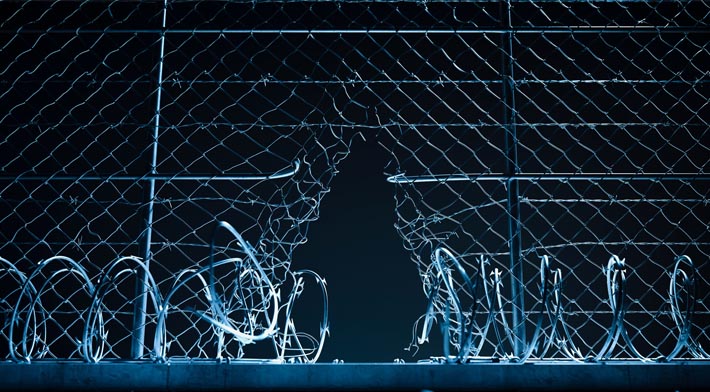
Deal with it at the boundary
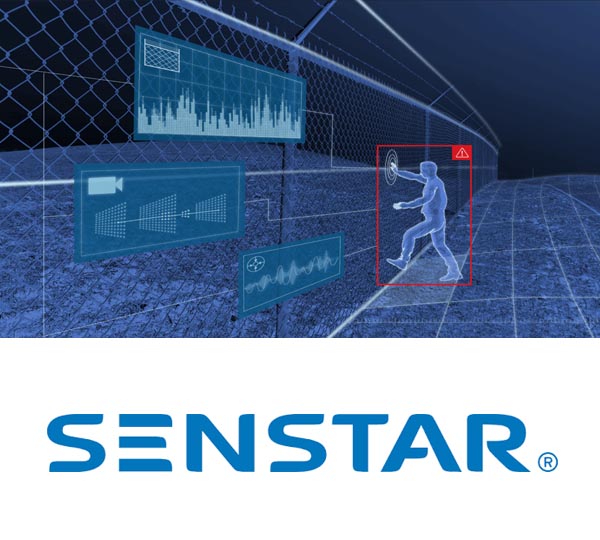
Perimeter intrusion detection picks up cutting, climbing and lifting along the fence line, and analytics separates a person or a group moving in the dark from a fox, a bird or a branch in the wind. Where the risk justifies it we specify detection that has been through NPSA’s evaluation and appears in the Catalogue of Security Equipment.
Limit what any single pass can do
Least privilege limits every pass to what the role requires, by area and by time of day. A credential that is misused or compromised then opens very little, and where the site calls for it we specify access control assured under NPSA’s Automatic Access Control Systems (AACS) standard and listed in the Catalogue of Security Equipment. Every use of a credential is recorded.
Systems that are not the next way in
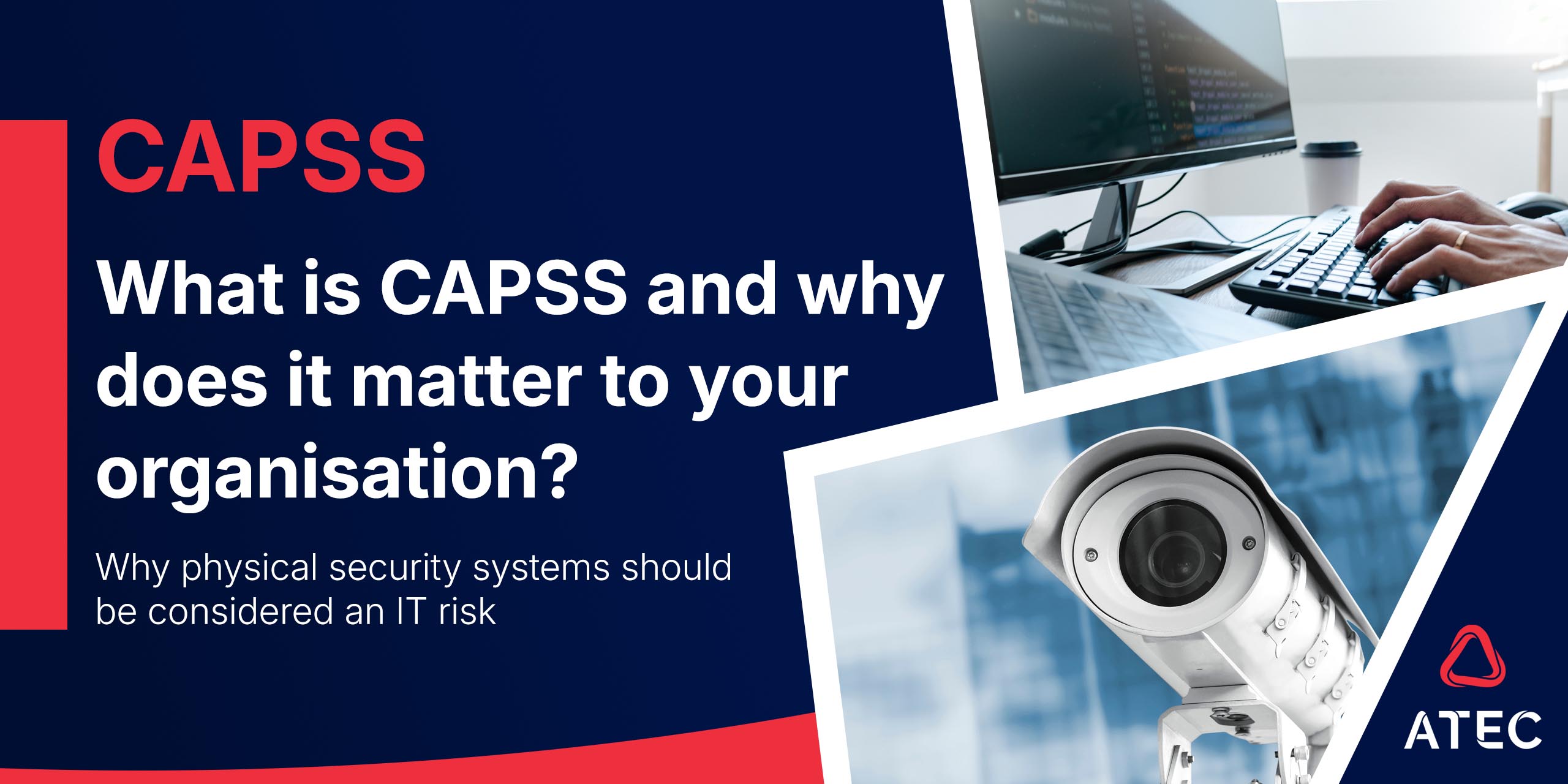
A camera or a door controller should never become the way into your network. Where your risk demands it we specify equipment assured under CAPSS, the Cyber Assurance of Physical Security Systems scheme that NPSA runs with the NCSC. The security network itself is segregated, encrypted, and locked to multi-factor sign-in for remote access.
ATEC articles
We hold ourselves to the highest standards
At ATEC we hold ourselves to the rigorous requirements of the industry’s leading certification bodies. Our accreditations are audited on a regular basis and we continually invest to keep our certifications up to date.