Petrochemical
Security for refineries, terminals and fuel sites
Boundary detection, surveillance, access control and vehicle checks for major hazard sites, using equipment certified for the zone and gas group it sits in and installed to your permit system.
Someone is on your site who should not be
On most sites that is a theft problem. Here it is a person with no training and no protective equipment standing next to something that could seriously injure them and do real damage to the plant. With Grangemouth and Lindsey both closing in 2025, four major refineries are left in the UK. An unplanned stoppage carries further than it used to.
Untrained people inside a hazardous area
Protesters have locked on to pipework, climbed tankers and tunnelled under access roads at UK fuel terminals, most visibly across 2022 at Kingsbury and in Thurrock. The disruption is what makes the news. The bigger problem is that these are people with no training, no protective equipment and no idea what is around them, standing in potentially a very dangerous place.
You cannot put ordinary equipment where the risk is
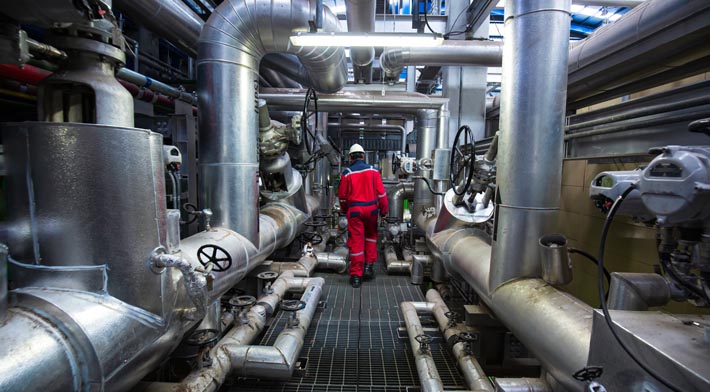
In a hazardous area a standard camera or reader is a potential ignition source, so anything installed there has to be certified for the zone it sits in. That is why process areas so often end up thinly covered, with pipework, vessels and structures leaving blind spots that nobody has ever closed. The price of certified equipment is part of that.
A turnaround fills the site with strangers
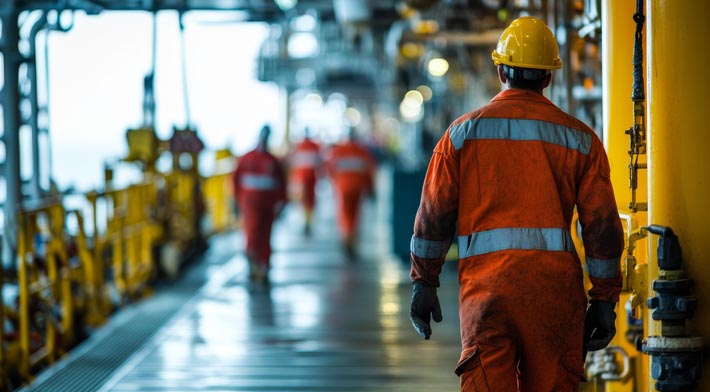
During a shutdown the population can multiply in a matter of weeks, many of them contractors who have never set foot on site before, working in areas that are safe for the job in hand and dangerous a few metres either side. Everyone needs the right access for the right area, and when the alarm sounds you have to account for all of them.
How ATEC protects the petrochemical sector
Reach them before the plant does
Perimeter, cameras, gates and access all report into one security control room, alongside the people already watching the process. An operator can see where somebody is, which way they are heading and which gate to send a team to, without having to piece it together from four separate systems.
Turn them back at the fence
Intrusion detection along the boundary picks up climbing, cutting and digging, and thermal cameras see people crossing dark ground long before they reach the fence. Set up properly, analytics do this without false alarm every time the wind gets up, which matters on the exposed coastal sites where most of these plants sit. Dealing with intruders outside the fence is safer for everyone.
Certified equipment for the risk
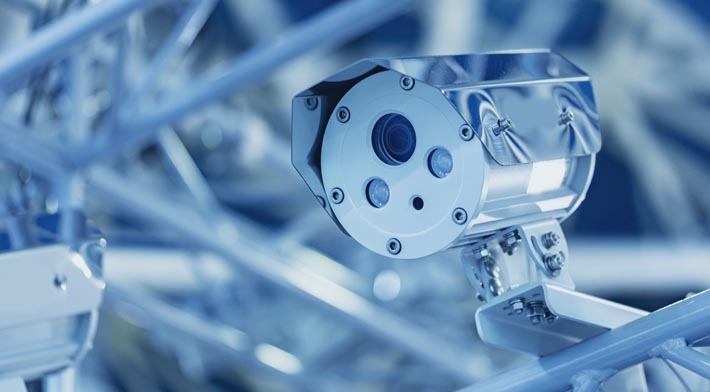
In hazardous areas we install equipment certified for the zone and gas group and temperature class. Coverage then reaches the tank farm and the process units instead of stopping at the edge of the safe area. Thermal cameras can also flag a temperature rise, which is useful to have, though it is not a substitute for a proper thermographic survey.
Account for everyone across the entire site
Access passes are issued for the job, the duration and the areas each contractor is competent to enter, expiring automatically. On an alarm a live muster list is produced allowing the incident controller to know who is not present. The readers at the muster points need to run on backup power and keep working when the network does not.
ATEC articles
We hold ourselves to the highest standards
At ATEC we hold ourselves to the rigorous requirements of the industry’s leading certification bodies. Our accreditations are audited on a regular basis and we continually invest to keep our certifications up to date.