
Upgrading SATEON to Gallagher just got easier
If you’re looking to replace your SATEON access control system with Gallagher, did you know that you can start using Gallagher before you’ve replaced a single SATEON controller?

Kris Simons
Sales Director, ATEC
“This is possible using Iridium from SwiftConnect, specialist middleware software that acts as a bridge between Gallagher and SATEON. Iridium synchronises cardholder information between the two systems, allowing them to operate alongside each other while the physical migration takes place.”
Iridium from SwiftConnect
Iridium is an established solution that has been successfully deployed on dozens of large sites across the UK over a number of years.
A brand-new Gallagher system can therefore be installed alongside your existing SATEON system. Once the existing cardholder data has been transferred into Gallagher, Iridium keeps the cardholder information in SATEON synchronised with the changes made in Gallagher.
You can then start replacing the SATEON hardware gradually, by controller, building, area or even individual door, at a pace that works for your organisation.
In this article
Share on:
Important advantages for a large SATEON estate
- No big-bang changeover – SATEON and Gallagher can run alongside each other, allowing the migration to be broken down into manageable phases.
- Spread the cost – there is no need to fund the entire replacement in one financial year. The migration can take place over whatever period makes financial sense.
- Replace what needs replacing first – prioritise ageing, unreliable or higher-risk equipment while leaving equipment that is still performing reliably in service.
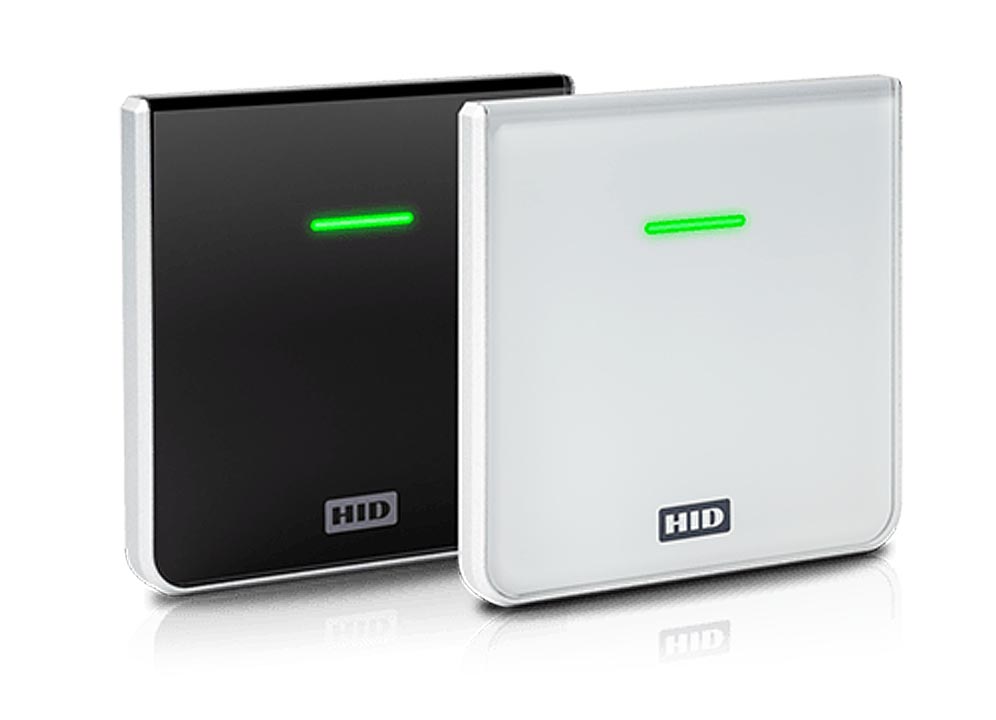
- Don’t replace what you don’t need to – readers, credentials, locks, power supplies, cabling and other infrastructure can be assessed and retained where appropriate.
- Migrate at your own pace – budget, operational priorities, equipment condition and other projects can determine what gets migrated and when.
- Reduce migration risk – each phase can be completed and tested before moving on to the next, rather than relying on a single major cutover.
How does the migration work?
Once Gallagher and Iridium are installed, there is a one-off process to export the existing cardholder data from SATEON and import it into Gallagher. This is generally quick and straightforward and ensures that both systems start with the same cardholder information. Gallagher can then become the system your security team uses for all cardholder management.
This means your administrators immediately benefit from Gallagher’s modern interface for day-to-day cardholder management, adding and removing cardholders, updating their details, assigning access groups and printing ID cards.
They also no longer need to use the ageing SATEON front end, which relies on the now unsupported Microsoft Silverlight platform. Silverlight has not received security updates from Microsoft since 2021, making its continued use an increasing cybersecurity concern.
From this point onwards, Iridium keeps the cardholder information in SATEON synchronised with Gallagher. When a cardholder is added, changed or deleted in Gallagher, the corresponding information in SATEON is automatically updated.
Your existing SATEON-controlled doors can therefore continue to operate exactly as they do today, while any doors that have been migrated are controlled directly by Gallagher. From the administrator’s point of view, it doesn’t really matter which system is controlling the door, they manage the cardholder in Gallagher and Iridium takes care of the rest.
You can then replace the SATEON hardware gradually, one controller, one building, one area or even one door at a time.
As more doors are migrated, your reliance on SATEON simply reduces until eventually the last SATEON equipment can be removed and the old system switched off.
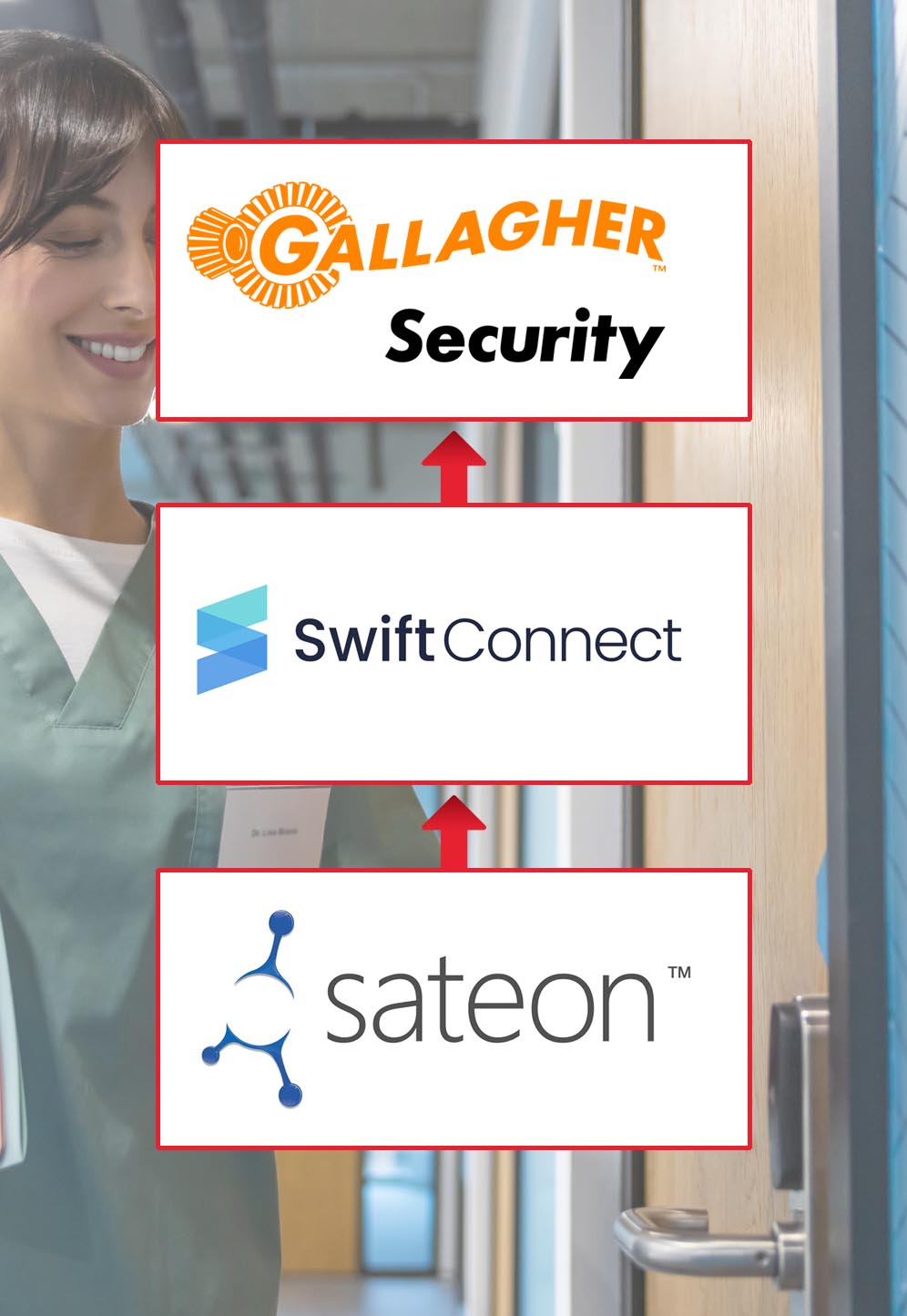
Modernise now. Migrate at your own pace.
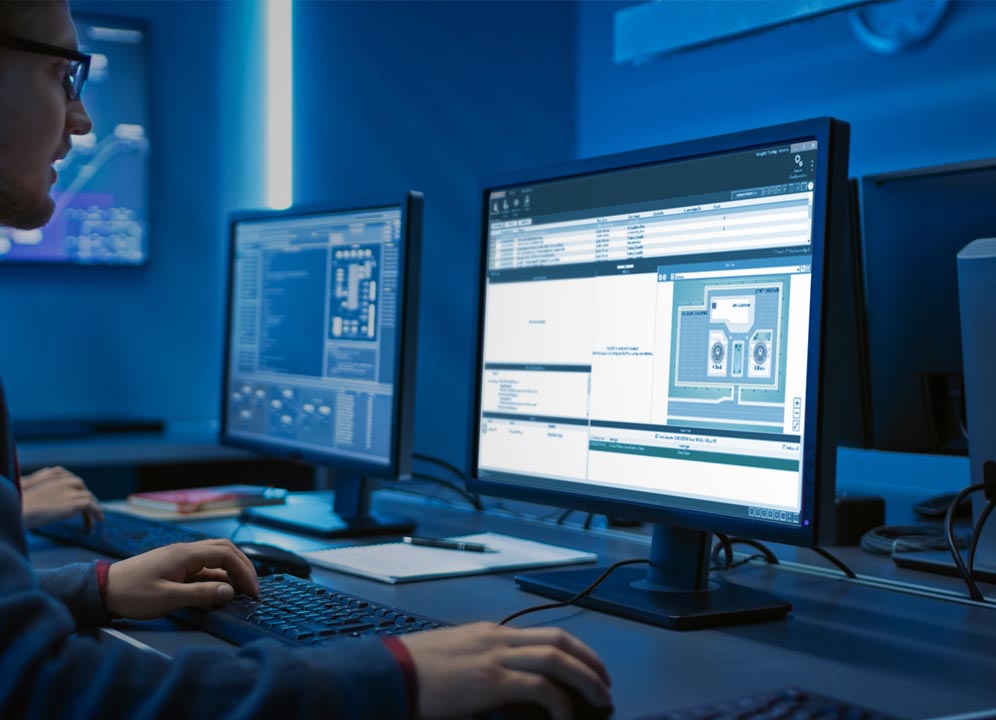
The real advantage of this approach is that the move to Gallagher doesn’t have to be dictated by how quickly you can replace your SATEON hardware.
Your administrators can start benefiting from Gallagher immediately, while the physical migration happens in the background at a pace that suits your organisation.
There is no need for a single major changeover and no requirement to fund the entire migration at once. You can simply plan the replacement of your SATEON hardware around your budget, operational priorities and the condition of the existing equipment.
Final thoughts
Large SATEON estates rarely get replaced in one go, and usually for good reason. The capital cost of swapping every controller in a single financial year is difficult to justify. Running Gallagher and SATEON side by side with Iridium removes both of those obstacles. The software upgrade and the hardware replacement become two separate pieces of work, and they no longer have to happen at the same time.
It also allows for better decisions about the existing estate. A phased migration lets you direct the budget at the equipment that needs attention rather than replacing hardware that is still doing its job.
If you are running SATEON and looking at Gallagher, the sensible starting point is a survey of the existing system and a migration plan that sets out the order of work, the phasing and the cost of each stage. Done properly, what once looked like a single large and disruptive project becomes a series of small, testable pieces of work that fit around your operation.
More on access control
Share on: