The Arts
Security for museums, galleries and venues
Detection, surveillance and access control for buildings that are open to the public, hold irreplaceable objects, and often cannot be altered to suit.
They expect the alarm to go off
The people who target collections now arrive knowing an alarm will sound, and it does not stop them. They plan well ahead, come with the right tools, take what they came for and leave in a few minutes. At the Louvre in October 2025 the thieves were inside for about four minutes and the whole job took under eight.
Fewer eyes in the building than there used to be
Budgets have not kept pace with costs, and rooms that once had someone in them are now covered on a rota, or not at all. In Art Fund’s 2026 survey of museum directors, 69% named staffing and capacity as their main challenge and 36% had cut opening hours. Visitors notice, and so do the people working out how a place is run.
Large crowds come with extra requirements
Martyn’s Law received Royal Assent in April 2025 and commencement is expected around spring 2027. Museums and galleries are named in the Act. If you can reasonably expect 200 or more people on site at once, including staff, there is a duty to take into account evacuation, invacuation, lockdown, communication, with staff who have received the right training.
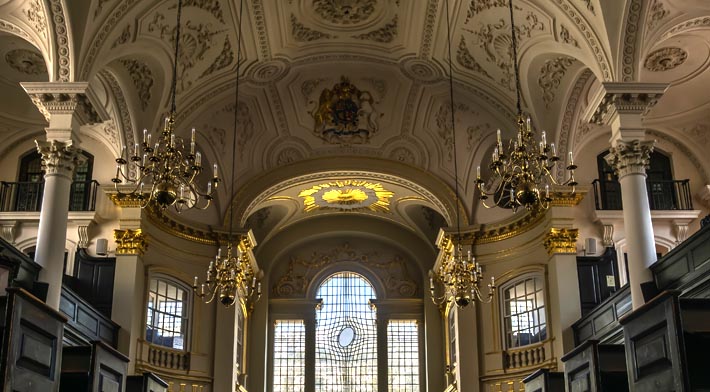
Listed building status prevents typical installations
So much estates are listed or historic. Cable routes are limited, fixings are restricted, and consent takes time. Listed building consent comes from the planning authority and scheduled monument consent is a separate application. Security often gets deferred because the honest answer from most installers is that the building makes it difficult.
How ATEC protects the arts sector
Know before they are inside
Detection needs to start at the boundary. Thermal imaging and analytics watch the roofs, exteriors and quiet elevations. A vehicle arriving at four in the morning becomes a call to the police before anyone has reached a door. During opening hours you need to rely on the operator, the analytics and the response plan rather than the fence.
Watch the rooms nobody is standing in
Analytics flag someone reaching past a barrier, lingering by a case or moving against the flow, and put that camera in front of the person on duty automatically. One member of staff can then keep an eye on several rooms at once. Well-tuned analytics create a system that watches for you, without creating an unmanageable amount of false alarms.
Ready for a full house inside and out
Coverage of the foyer, the queue outside and every exit, with analytics watching for crowds building. Security teams receive alerts along with enough information to know exactly where to go and what to expect. Keeping vehicles off the frontage on a busy night is also the kind of measure Martyn’s Law will expect you to have assessed and recorded once the Act commences.
Fitted to the building you have
We survey the fabric before we propose anything and design around it with wireless links and discreet fixings, working with your conservation officer rather than around them. Equipment needs to both satisfy the needs of historic buildings and be capable of providing the right evidence in the location it is fitted. What we are aiming for is a scheme that gets consent and gets installed.
ATEC articles
We hold ourselves to the highest standards
At ATEC we hold ourselves to the rigorous requirements of the industry’s leading certification bodies. Our accreditations are audited on a regular basis and we continually invest to keep our certifications up to date.