
Multi-sensor cameras. Are these 2 cameras for the price of 1?
Multi-sensor cameras, sometimes called multi-lens or multi-head cameras, combine two, three, or four independent image sensors and lenses in a single housing. They are designed to deliver wide coverage, typically 180°, 270°, or full 360° views, from one mounting point. The question many security managers ask is whether these units effectively deliver multiple cameras for the price of one.

Kris Simons
Sales Director, ATEC
“The short answer… Sometimes yes, particularly in the right applications, but not always. They bring real advantages in installation and network efficiency, yet come with trade-offs in flexibility, pixel density in some scenarios, and stitching performance.”
In this article
Share on:
How multi-sensor cameras work
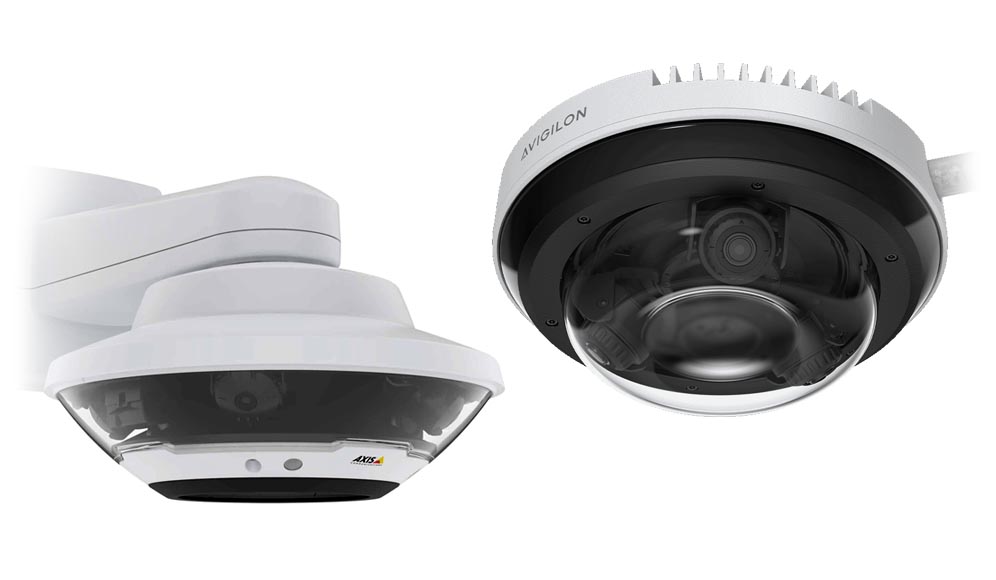
Each sensor in a multi-sensor camera operates like its own camera module, with independent adjustment for pan, tilt, and zoom. Varifocal lenses on models like Avigilon’s H5A allow custom fields of view. The camera body sends all streams over a single network cable, usually via Power-over-Ethernet.
Image stitching combines overlapping views from adjacent sensors into one continuous panoramic image. Software aligns the feeds based on calibration during installation. Modern systems handle this in the camera or VMS, so operators see a single cohesive view rather than jumping between separate streams. When done well, the result looks like a single wide image rather than separate feeds.
How good is the stitching quality?
Stitching quality varies. Good implementations minimise seams, but challenges remain where fields of view meet. Lighting differences between sensors pose one common issue.
One sensor might face direct sunlight while another sits in shadow. Manufacturers use techniques like HDR (High Dynamic Range) and exposure balancing across sensors. Avigilon H5A models, for instance, offer true HDR up to 120dB and handle challenging lighting well.
Systems often lean toward preserving highlight detail on exposure settings, slightly underexposing bright areas, or use local tone mapping to balance the stitched image. Severe mismatches can still produce visible seams or artefacts in the overlap zones, especially in high-contrast outdoor scenes at dawn or dusk. In practice, the best results come from careful positioning during install to minimise extreme lighting differences across sensors.
Network and installation benefits

Multi-sensor cameras need only one network drop and one switch port. While the actual cost of cabling one run versus two is rarely a major saving, in larger systems, switch ports become a real constraint.
High-quality managed PoE switches are expensive, and adding ports creates the need for more hardware, power, and rack space. A single multi-sensor unit can replace two or three separate cameras while using only one port. The real saving appears at scale, fewer cable runs, fewer terminations, and simpler infrastructure overall.
Installation itself is often quicker. One physical unit to mount, align, and focus instead of multiple separate housings. For external areas like car parks, building perimeters, or intersections, this proves particularly useful.
Image quality and performance considerations
Total resolution across sensors can reach 32MP or more on premium models, but pixel density matters. A 4-sensor 32MP camera gives roughly 8MP per sensor.
That works well for wide-area overview but may not deliver the same detail on distant objects as a dedicated high-resolution single-sensor camera pointed in one direction.
Single-sensor or separate cameras offer simpler per-direction optimisation and easier incremental upgrades. If one camera fails, the others keep working. You can also mix focal lengths more freely.
Are they worth it?
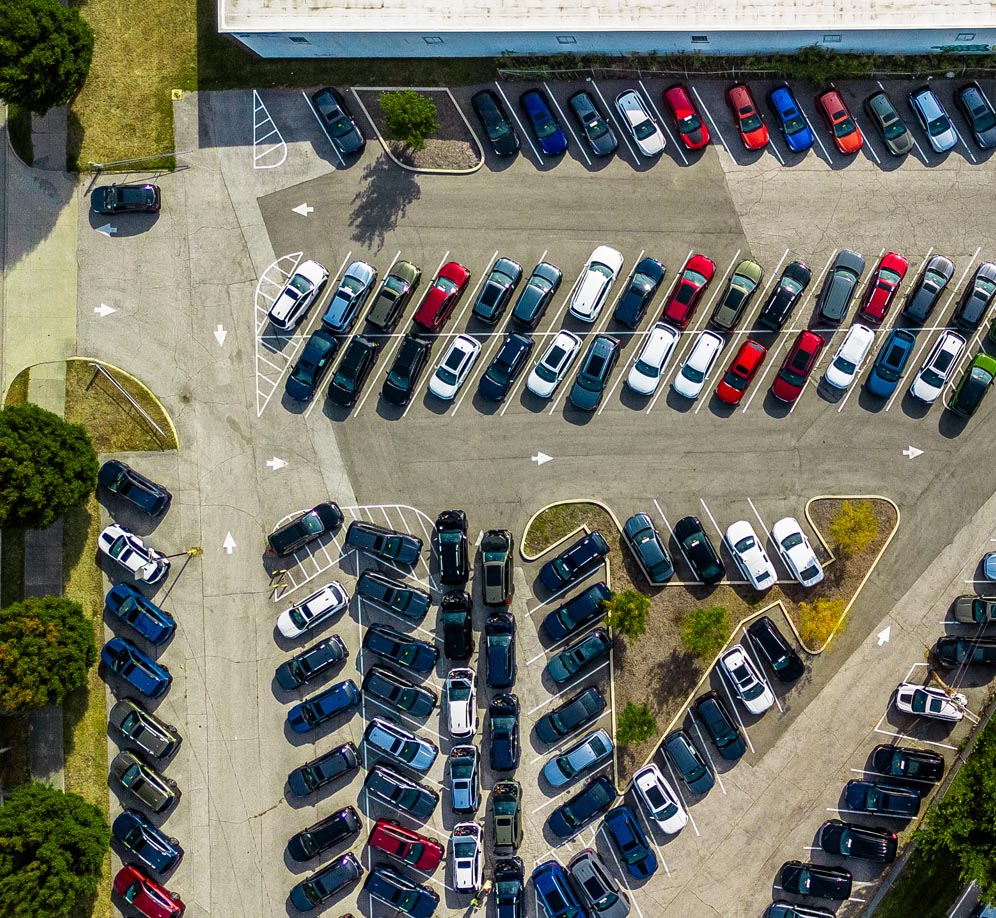
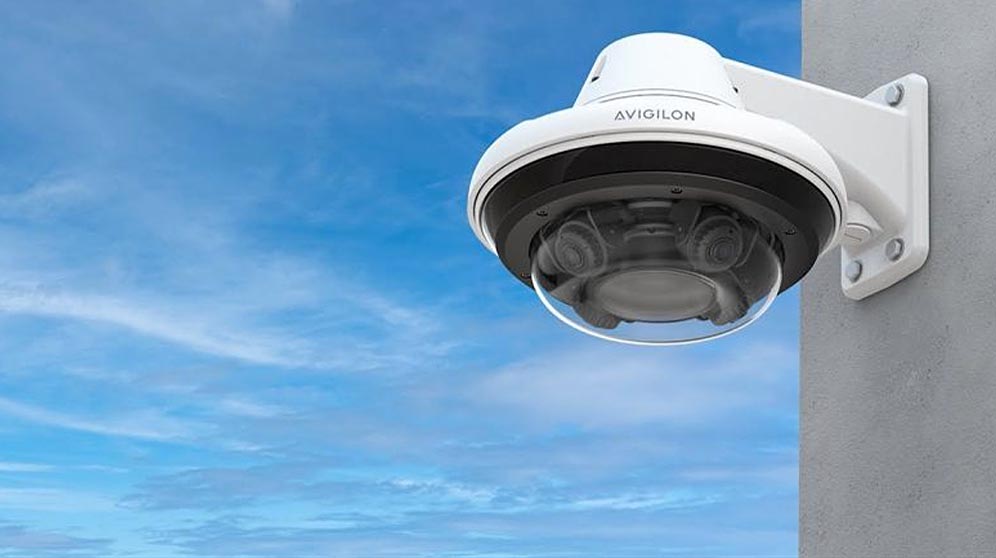
They prove worth it in scenarios requiring broad, overlapping coverage from a single vantage point. Examples include:
- Large external car parks or yards needing 180–360° situational awareness.
- Building corners or intersections.
- Perimeter security where you want continuous coverage without gaps.
- Sites where minimising visible camera hardware or network infrastructure matters.
They become less compelling for narrow, high detail needs, for example a single entrance with facial recognition at distance, or where future layout changes are likely. In those cases, separate cameras or PTZ units often make more sense.
Pixel density and specific analytics requirements should drive the decision. A well specified multi-sensor camera frequently outperforms a patchwork of cheaper single-sensor units in consistent coverage and total cost of ownership for wide area external applications.
Final thoughts
Multi-sensor cameras are not automatically “two cameras for the price of one,” but in the right environment they deliver strong value through reduced infrastructure demands and seamless wide coverage.
The decision always comes down to your specific site survey: required pixel density, lighting challenges, network constraints, and future expansion plans. A good integrator will model both options and show you the differences in practice rather than push one solution.
If you’re evaluating options for wide area CCTV coverage, focus on total cost of ownership and operational effectiveness over simple unit pricing. The technology has matured enough that multi-sensor cameras deserve serious consideration for many medium to large scale security projects.
More on CCTV
Share on: